




Synopsis
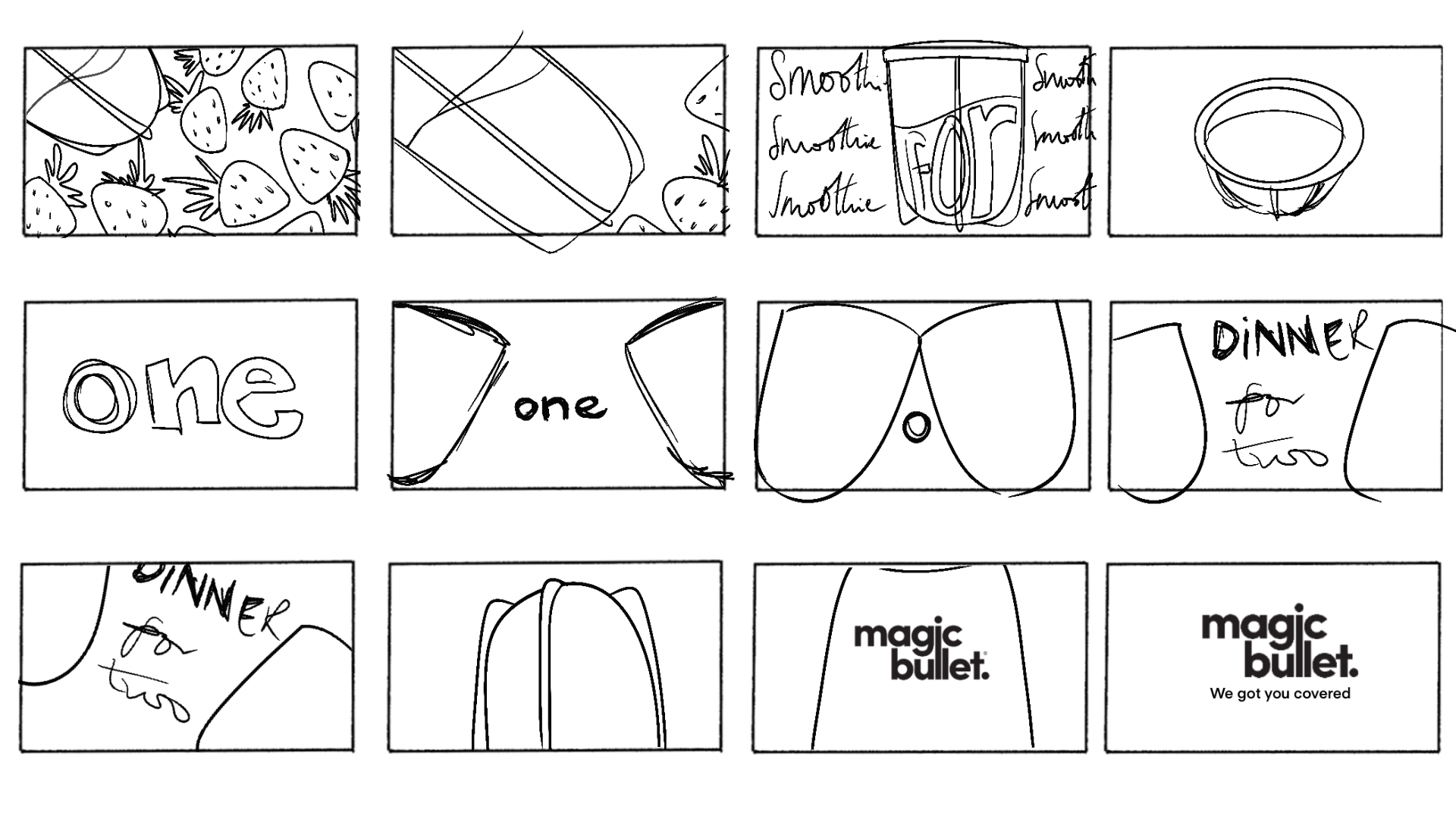
Young adults today are pulled in every direction — optimize your health, show up for your friends, perform at work, keep up with everything. We started with that tension, not with the product. Magic Bullet isn't selling a blender. It's offering something rarer: a small, reliable thing that shows up for you in the middle of all of it. The commercial storyboards follow a day in the life of a young adult navigating these competing demands — and position Magic Bullet as their quiet, capable companion through all of it.
The Problem
Our parents figured out how to balance work and social life. What they didn't figure out — what we watched them not figure out — was their health. Gen Z inherited that awareness. Now we're trying to hold all three at once, and nobody told us it would feel like this much.
The Thinking
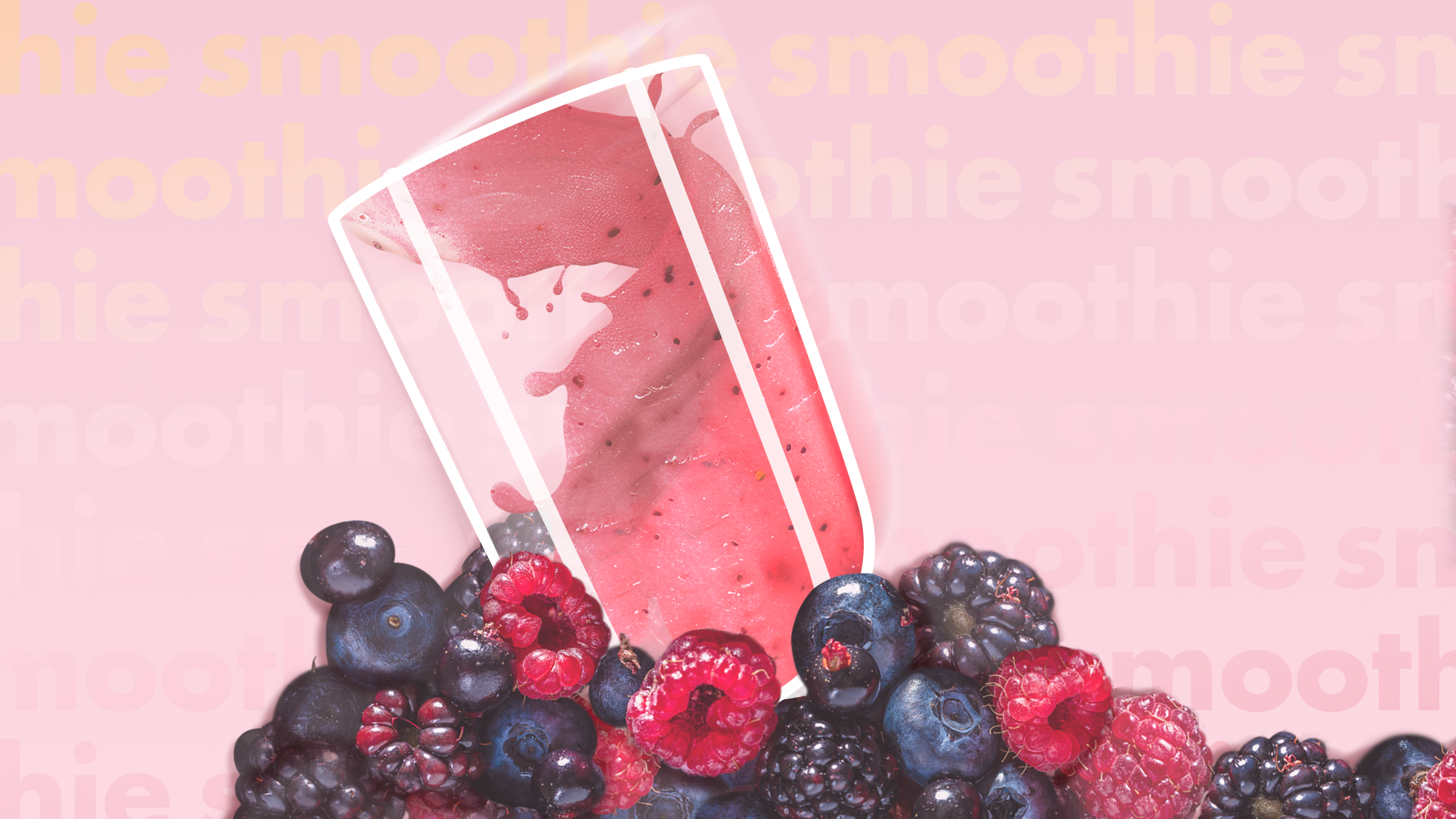
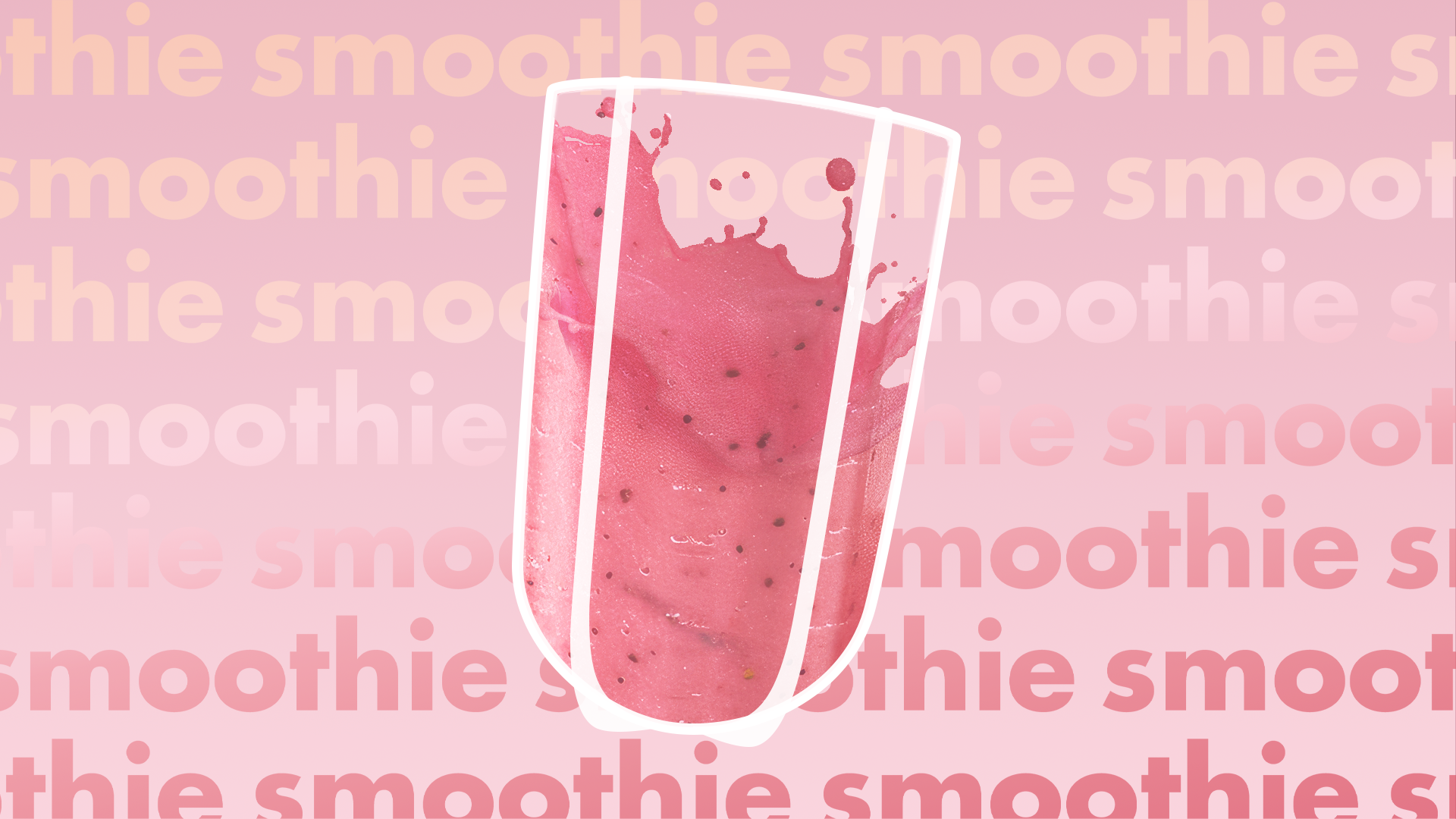
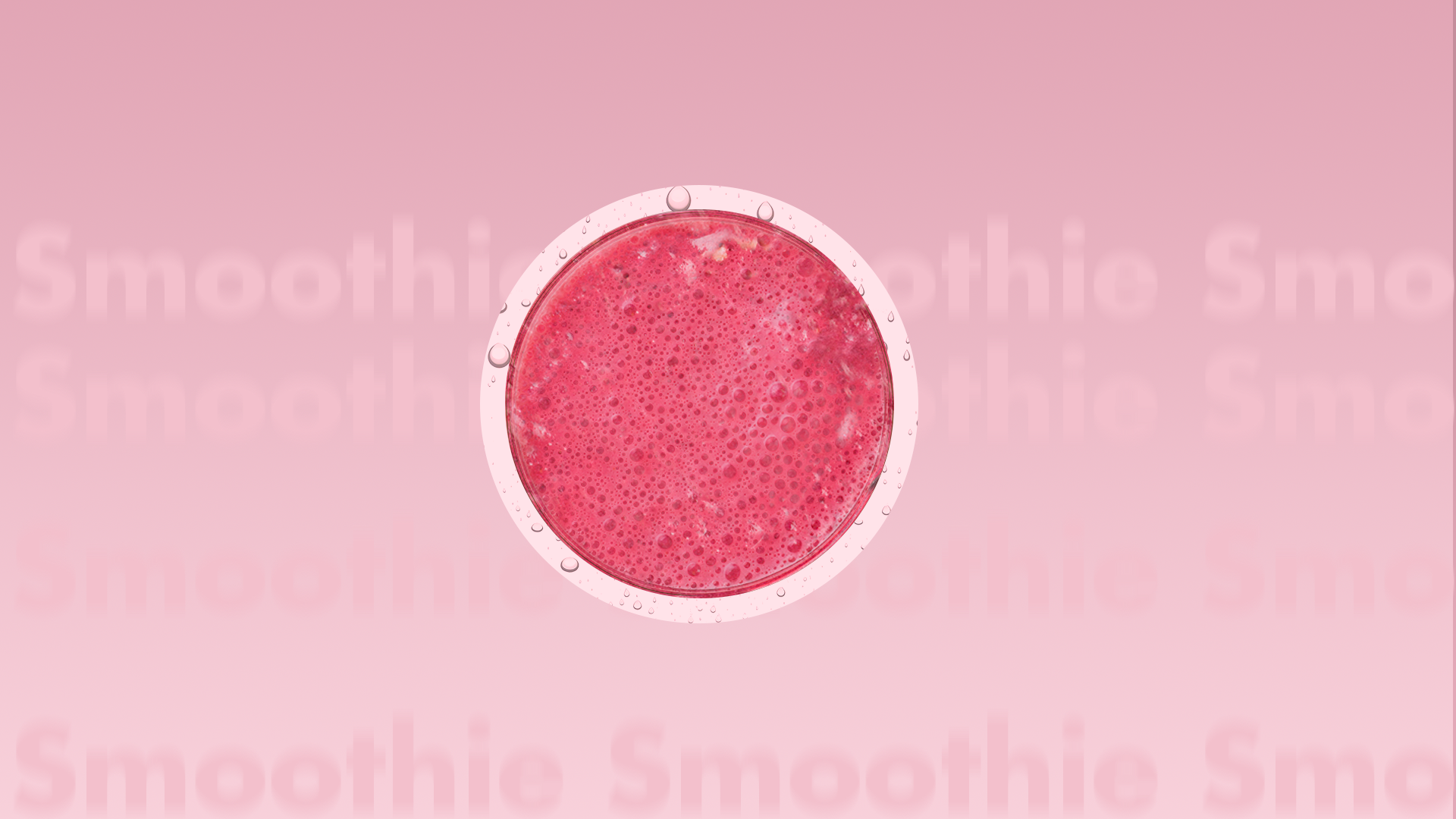
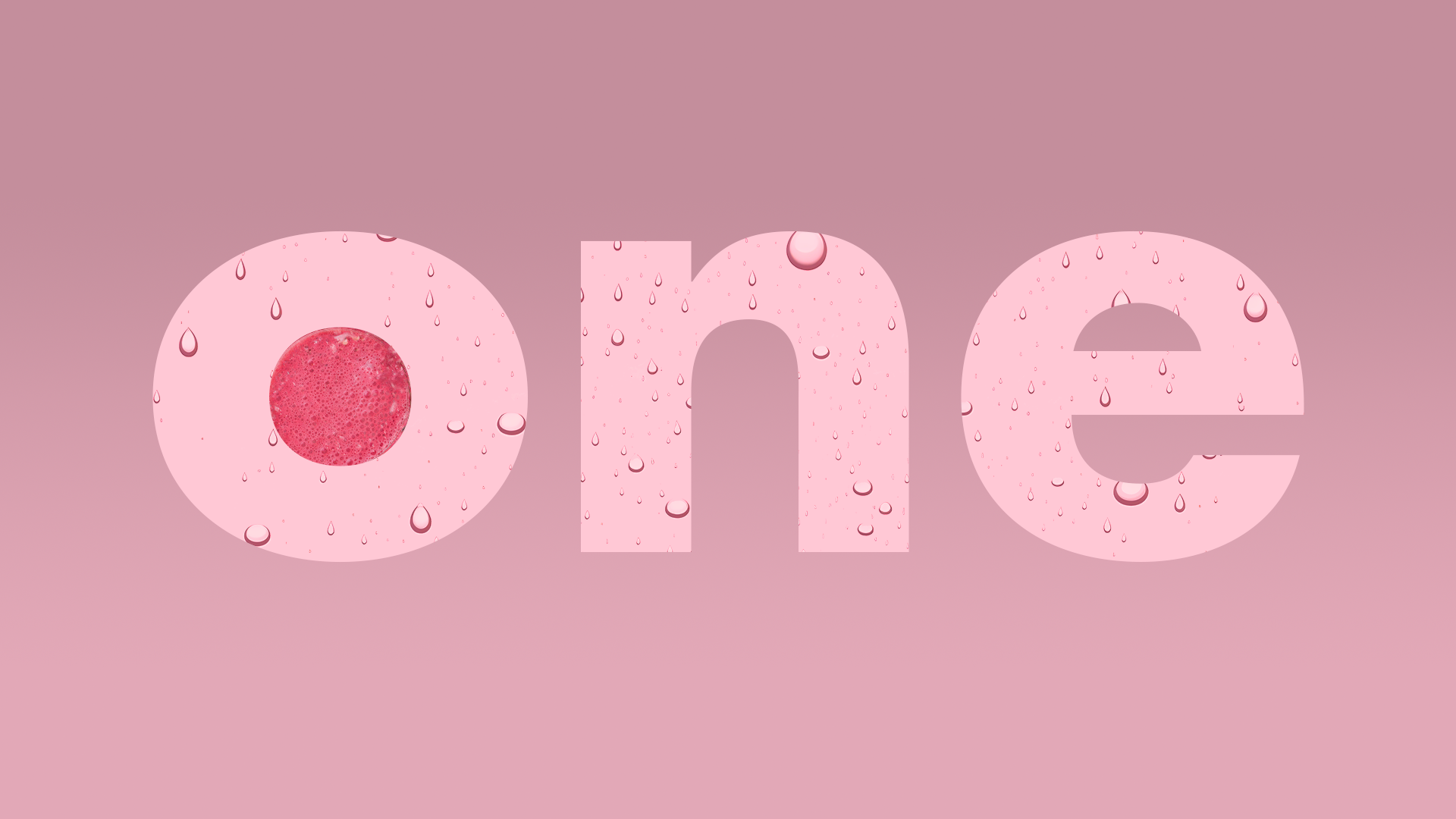
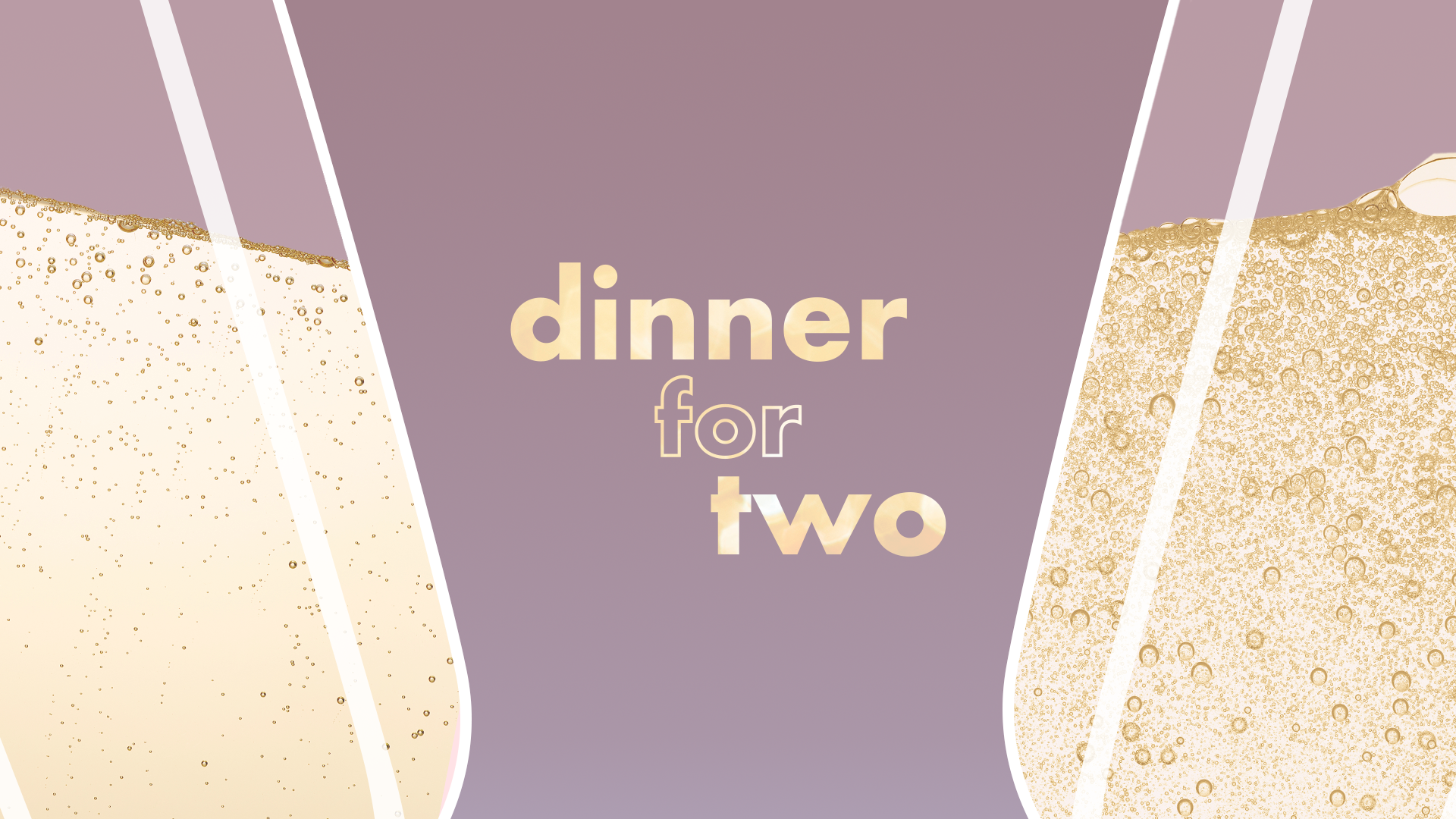
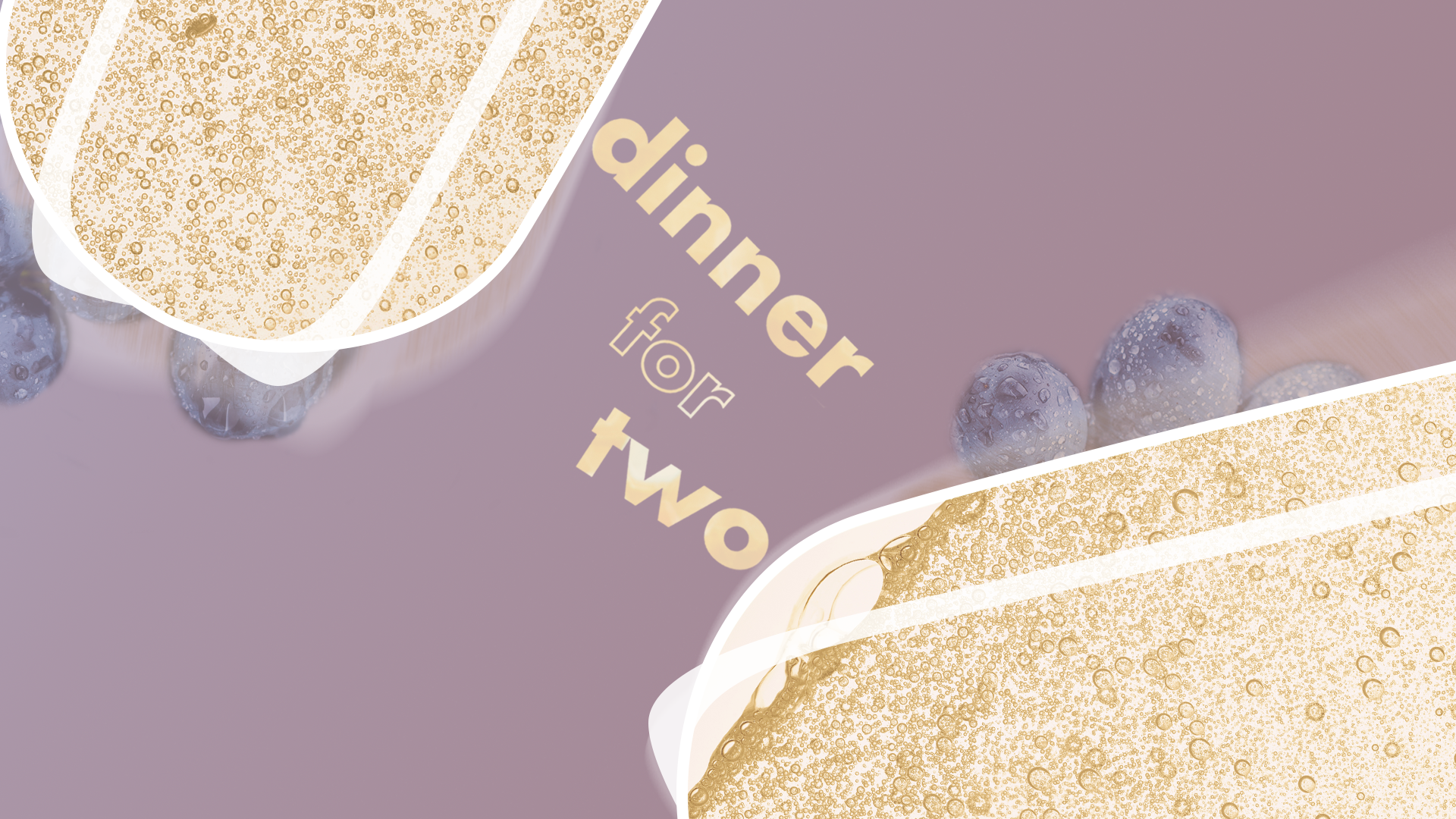
Magic Bullet isn't really a blender. For this audience, it's a small act of control in a life that constantly feels like it's slipping. The campaign started with that feeling — not "healthy lifestyle" as aspiration, but health as one more thing you're genuinely trying not to drop. The storyboards move through a single day: the solo morning health routine, the dinner you're throwing together for someone else, the work in between. Magic Bullet glides through all of it without asking you to slow down.
Storyboards